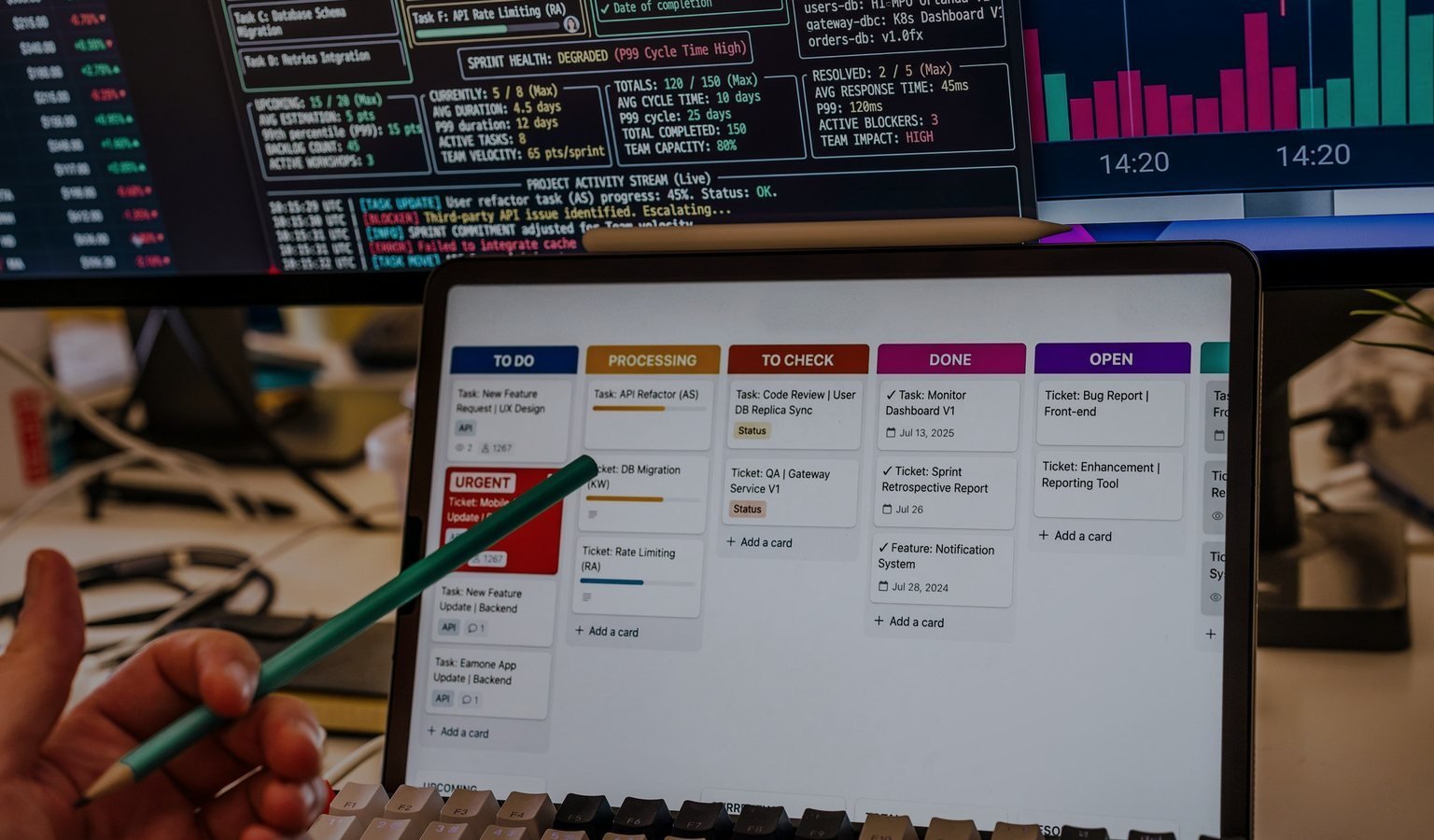
Insight · AI and delivery
You are not short of developers any more. You are short of context.
Agentic development removed the calendar cost of shipping a feature and replaced it with a cognitive one. The constraint is no longer how many people you have. It is how much context you can hold, and keep, at once.
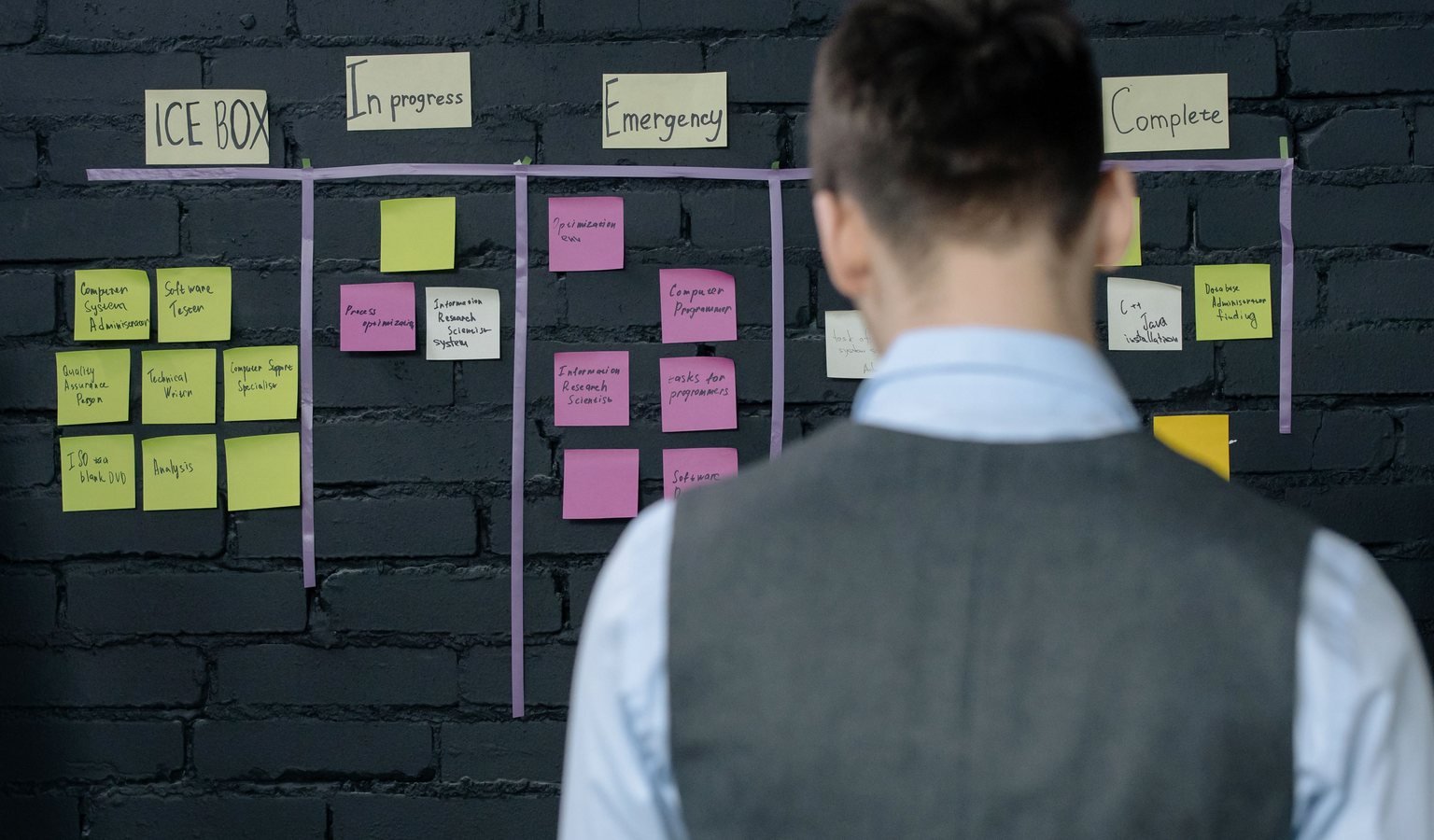
For most of the last decade the constraint in product work was not ideas. It was the cost of moving one idea from a conversation to something a user could touch. A feature meant a designer with a full week, a Figma file, a handoff, a groomed ticket, a sprint that was already full, a review, and a pre-meeting to agree what the pre-meeting would decide.
Ruthless backlog prioritisation was the rational response to that. If every item costs six weeks of people and meetings, you had better be certain which six weeks you spend. The ritual was never really about value. It was a tax on overhead.
The overhead was the constraint, not the code
Ask what actually slowed a small feature down and the answer is rarely the code. It is the seven people who have to agree, the three documents that have to stay consistent, and the four calendar slots that have to line up before anyone types anything.
That is why “we do not have capacity” was almost always true and almost always misleading. The capacity was not missing. It was being spent on coordination.
The prompt is cheap. The alignment is not.
With agentic tooling a valuable change to a product is often one good instruction away. The build stops being the scarce step: the scaffold, the boilerplate, the wiring, the migration script — those collapse into an afternoon.
What does not collapse is deciding what to ask for, and knowing whether the answer is right. The friction did not disappear. It moved from the calendar into the head.
Ask anyone doing this work where the week goes now. It is not in meetings about who is free. It is in keeping four or five artefacts honest at the same time: the requirements, the backlog, the journey, the data model, and the thing you promised a client last Thursday.
The new failure mode is drift, and it is quiet
When the constraint was human, a wrong direction announced itself. A developer asked a question, a designer pushed back, a sprint ran out. There was a person in the loop whose job was to notice.
Now the machine does exactly what the documents say. If those documents have quietly diverged — the requirement still describing the old flow, the backlog already split for the new one — nothing crashes. You get a competent, confident build of a product that no longer matches the decision.
That is the failure to watch for. Not a bad prompt. A stale source of truth.
What the week is actually spent on now
Architecture and orchestration, in the plain sense: settling the shape of the thing before anything is generated, then keeping the written context that the work runs on correct.
In practice that means treating context like code. One artefact that wins when two disagree. A decision log with dates, so a reversal is visible rather than remembered. And the discipline of agreeing the input before the prompt, not after the third revision.
The job did not get smaller. It moved up a level — from managing the people who make the thing to managing the understanding the thing is made from.
We are not short of developers any more. We are short of context, and unlike a sprint it does not refill on Monday.

Working through this now?