Insight · AI and delivery
The code is clean. Nobody here can fix it.
Clean, tested, bug-free used to be evidence of a developer worth promoting. A prompt clears that bar in an afternoon. What still costs money is knowing which lines are load-bearing, and who can change them in year three.
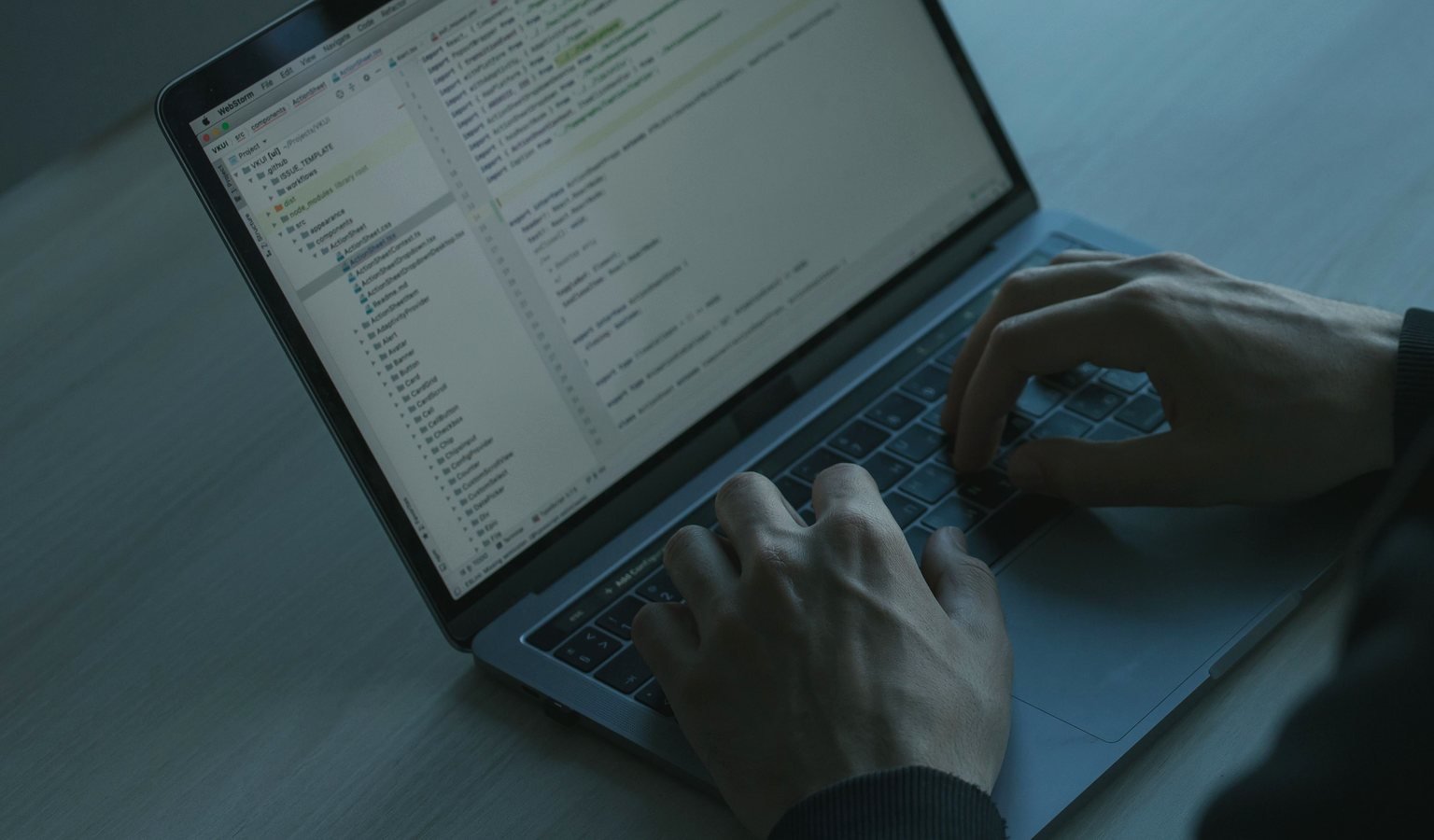
A junior joins, says he can code, and ships a pull request that is clean, tested and dull in the way good code is dull. A month later the tech lead takes him aside to ask what his secret is. The secret is that he did not write it. He described it, corrected it twice, and accepted it.
That gets told as a joke about imposters. It is more useful read as a story about what the lead was measuring.
He judged the artefact, and the artefact is now free
Clean, bug-free, efficient — those were decent proxies once. They correlated with someone who had spent years learning where systems break, and the correlation held because producing the artefact was expensive. That cost has largely gone. A competent prompt returns something that passes the same eye in an afternoon.
That does not make the lead foolish. It makes the test out of date. Any bar a prompt can clear is no longer a bar. It is a filter on typing.
None of this is an argument against the tool. It is the best thing to happen to a small team in a decade: the hours that went into scaffolding now go into deciding what to build. The trouble is that the same shift removed the signal a lead used to read in order to know who could be trusted with something larger.
A clean diff says nothing about the expensive defects
Most of what costs money three years later is not a bug in the code. It is a wrong assumption in the intent: the endpoint that was made idempotent because retries were assumed, the amount that was assumed to be one currency, the guest record that assumed one active stay at a time.
Clean code executes a wrong assumption perfectly, and faster than a tired person would. It also arrives without the argument that normally precedes it — the one where somebody says “wait, what happens if the same guest checks in twice” — because there was nobody in the room to have it.
What is actually being hired now
Three things, none of them syntax. Can they explain why this shape rather than the obvious one. Can they find the load-bearing line when it breaks, without the tool. Can they say what they rejected, and on what grounds.
Test those and the tool stops mattering to the assessment. Someone who can do all three is a developer whether or not they typed it. Someone who cannot is a risk with a clean diff.
Most teams still promote on the artefact, because the artefact is the only thing visible in a review. That is how a team ends up shipping quickly and explaining nothing, and how juniors learn that the visible output is the whole job.
Keep the tool. Change the test.
Practically: ask for the reasoning before the code, because the reasoning is the part you are actually reviewing. When a change is proposed, ask what else would have to be true for it to be right. And give the fix test before the feature test — hand someone a defect in code they did not write and see whether they can locate it. That exercise is cheap, and it separates the two kinds of candidate immediately.
Keep at least one person who can read the system without the model. Not out of purity, and not because the model is untrustworthy. Because the night it fails, the model will be describing what the code says, and somebody has to know what the business meant.
The question was never who typed it. It is who can change it in year three, at two in the morning, when nobody is available to prompt.

Working through this now?